



Suicide Prevention Resources
24-Hour Crisis Line
Call (414) 257-7222, call or text to 988, or chat via www.988LIFELINE.ORG now if you believe you or a loved one is experiencing a crisis.
The Milwaukee Mobile Crisis team supports callers on the Milwaukee County Crisis Line, (414) 257-7222, and provides mental health crisis responses and intervention to individuals of all ages in the community. This non-police mobile response provides services 24 hours a day, seven days a week and is composed of counselors, therapists, psychologists and nurses.
Milwaukee Mobile Crisis also provides:
- Mental health assessments
- Assistance with stabilization
- Connections to on-going resources
Know the signs
Individuals who are experiencing suicidal thoughts may show one or more of the behaviors listed below.
The risk of suicide is greatest when the behaviors listed below are the result of a painful event, loss or change.
Adult Suicide Warning Signs
- Talking about or making plans for suicide.
- Acting anxious, agitated, or behaving recklessly.
- Talking about being a burden to others.
- Talking about feeling trapped or in unbearable pain.
- Increasing the use of alcohol or drugs.
- Talking about feeling hopeless or having no reason to live.
- Sleeping too little or too much.
- Withdrawing or feeling isolated.
- Showing rage or talking about seeking revenge.
- Displaying extreme mood swings.
- Chronic illness or serious physical health conditions.
Youth Suicide Warning Signs
- Expressing hopelessness about the future.
- Displaying severe or overwhelming emotional pain or distress.
- Increased physical symptoms—such as fatigue, headaches, and stomachaches—commonly associated with emotional distress.
- Changing or withdrawing from social connections or situations.
- Changes in sleep (increased or decreased).
- Anger or hostility that seems out of character or out of context.
- Recent increased agitation or irritability.
Get a Free Gun Lock
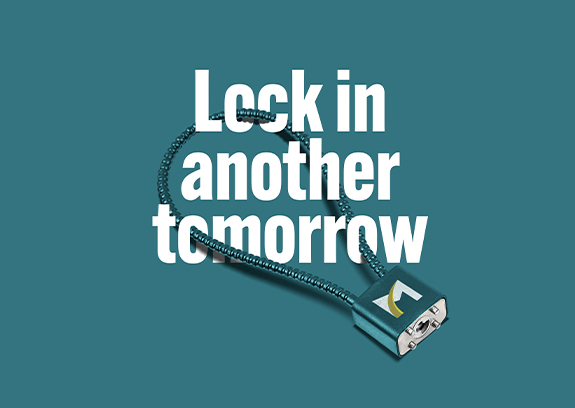
How to Use a Cable Gun Lock
Access Clinics
Access Clinics are here to help connect people to the culturally competent behavioral health and co-occurring care they need, within their own community and regardless of their ability to pay.
Am I eligible?
To receive Access Clinic care you must be:
- 18 or older
- Milwaukee County resident
- Without a current counselor or prescriber
- Uninsured, underinsured or insured and in crisis

Formed as a joint venture between Milwaukee County and the area’s four health systems, The Mental Health Emergency Center (MHEC) is the new county-wide psychiatric emergency department located at 1525 N. 12th Street in the City of Milwaukee. Just one component in the broader array of mental health services in Milwaukee County, the center is a national model for emergency crisis care that is patient-centered, recovery-oriented and culturally informed.
Suicide Prevention Training Opportunities
Learn how to recognize warning signs, support individuals in crisis, and connect people to appropriate resources. The following training opportunities are available for community members, organizations, and professionals.
Training for Community Members:
Bridge to Hope: Connection-Centered Suicide Prevention
Format: In-person or virtual | 1-1.5 hours
Bridge to Hope is a training designed for community helpers who are interested in learning more about how to identify and support individuals who may be having thoughts of suicide. Building on principles of empathetic listening and lived experience, Bridge to Hope equips attendees with understanding and knowledge around suicide as a public health issue, how to hold a caring conversation with someone experiencing a mental health challenge, and what to do if suicide is a concern. This training was created by Dr. Sara Kohlbeck, Director of the Division of Suicide Research and Healing in the Comprehensive Injury Center at the Medical College of Wisconsin.
To schedule a training or learn more:
LivingWorks ASIST
Format: In-person | Two-day workshop
LivingWorks ASIST is a two-day in-person workshop featuring powerful audiovisuals, discussions, and simulations. Participants will learn how to recognize when someone may be thinking about suicide, and how to provide a skilled intervention and develop a safety plan with the person to connect them to further support. Participants will also consider how personal and community attitudes about suicide affect someone’s openness to seek help and your ability to provide it. This workshop will increase your willingness, confidence, and capacity to provide suicide first aid.
To register or learn more:
Adult Mental Health First Aid
Format: Virtual | 6-hour virtual training with a 2-hour self-paced pre-course
Adult Mental Health First Aid (MHFA) teaches you how to identify, understand and respond to signs of mental health and substance use challenges among adults.
For updates on upcoming trainings:
Subscribe to Prevention Collective Newsletter
For more information:
SafeTALK Suicide Prevention Training
Provided by: Friendship Circle of Wisconsin
Format: In-person | 4 hours
SafeTALK is a 4-hour training that prepares participants to become suicide-alert helpers. Individuals who deal with suicidal thoughts don’t usually want to die, and often give hints to people in their lives that they are formulating such thoughts. Without education, crucial players can miss subtle signals of need for help, which result in dangerous outcomes. SafeTALK helpers are capable of recognizing such invitations and springing into action.
To learn more and register:
Visit Friendship Circle of Wisconsin
Training for Professionals:
DHHS Staff and Contracted Providers
DHHS staff and contracted providers can access a comprehensive list of suicide prevention training opportunities through HealthStream.
Organizations
Organizations interested in building suicide prevention knowledge and skills among their staff can receive consultation to determine which training options best meet their needs.