Lead Hazard Reduction Program

What is Lead?
Lead is a dangerous metal. It is found in old paint, varnish, pipes, soil, some dishes and imported goods and toys. Lead was often added to some paint and varnish to make them last longer.
Where is lead found?
- Old paint: Especially in homes built before 1978.
- Lead dust: Tiny dust from old paint can be dangerous.
- Soil: Dirt or soil, near painted surfaces, may be contaminated.
- Food: Lead can get into food from some dishes.
- Water: Old pipes may cause lead in drinking water.
- Other places: Certain work sites, home remedies and makeup.
Why is lead bad?
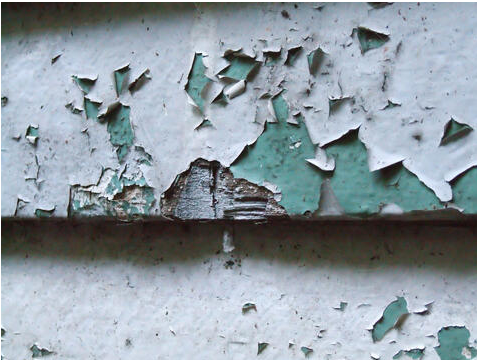
Lead can damage the brain, liver, and kidneys. It can lead to slow growth, trouble learning and hearing loss. Dust from old chipping and peeling paint is the main cause of lead poisoning in children. The dust is dangerous because you can’t see it. It can stick to floors, hands and toys, eventually finding a way into kids’ mouths and causing harm.
Lead Hazard Reduction Program
Milwaukee County DHHS Housing Services offers grants to income-qualified households in suburban Milwaukee County to remediate lead-based paint hazards. Grant funds are provided by the U.S. Department of Housing and Urban Development (HUD). Remediation may include removal and/or replacement of siding, windows, doors, porches, soil, flooring, gutters, etc.
How Do I Qualify?
Your property must:
- Be located in suburban Milwaukee County (not available for the City of Milwaukee or Village of River Hills).
- Be a single-family or a duplex.
- Be built before 1978.
Your household must:
- Meet the income guidelines published annually by HUD.
- Have a child under 6 years old with an elevated lead blood level.

The Application Process
- Contact Home Repair program staff by phone or email with any questions and/or to start the application process.
- Applications are completed online. All supporting documentation needed will be uploaded online.
- All household members over 18 years of age must sign the application and release form.
- After the application and documentation is submitted, staff will review for eligibility.
- If eligible, staff will contact you for an initial meeting to view the property, discuss items in need of repair, and complete a Lead Risk Assessment to identify lead paint hazards.
- Staff works with the homeowner to create a scope of work for what is needed at the home.
- Upon approval of the scope, Home Repair will send the scope out for bid to contractors.
- Contractors that partner with Home Repair are all local, licensed, and bonded companies.
- All projects and costs will be presented to the Home Repair Review Board for approval.
- Once approved, an agreement with the contractor is signed for the work to be completed.
- Staff provides project management services from start to finish of project.
Supporting Documentation Required:
- Most recent, signed federal tax return.
- Past two months of pay stubs.
- All utility bills (gas, electric, water/sewer).
- Bank statements with activity.
- Social Security statement, if applicable.
- Proof of homeowner’s or rental insurance.
- Property tax bill
- All other income/debt information as requested.
Available funding varies. Call us for information at (414) 278-4917.
No Amount of Lead is Safe. Lead Poisoning is Preventable.
Take the following steps now to keep your family safe from lead:
- Talk with your child’s health care professional about a simple blood lead test.
- Talk with your local health department about testing paint and dust in your home for lead if you live in a home built before 1978.
- Renovate Safely. Common remodeling activities that disturb painted surfaces, such as windows, doors, porches, and more can create hazardous lead dust.
Follow Lead Safe Home Practices:
- Use wet wipes and wet mops to maintain your home free of dust including toys, floors, windowsills, and window troughs.
- Wash your children’s hands before they eat, every time.
For more information regarding lead safe practices, visit the Wisconsin Department of Health Services' Lead Safe Wisconsin Website.