


FOCUS
(Featuring Our Community's Untold Stories)
Quick Links


FOCUS is a community-powered initiative centering Black, Brown and indigenous voices in Milwaukee County. Using a Community-Based Participatory Evaluation (CBPE) approach, we listen to people with lived and living experience of drug use to reshape how we address the opioid crisis, elevate healing, and drive action. We value truth-telling, co-creation, and radical transparency.

FOCUS is grounded in a Community-Based Participatory Evaluation approach, rooted in the principles of Community-Based Participatory Research. This means community members are not treated as subjects of research, but as co-creators of knowledge, meaning, and action. Lived and living experience is recognized as expertise, and community insight directly shapes how questions are asked, how data is interpreted, and how findings are used. This approach prioritizes shared learning, transparency, and accountability. Participants are engaged as partners, not respondents. Their experiences inform both the narrative and the strategy, ensuring that findings reflect the realities of Black and Brown communities rather than external assumptions. The goal is not simply to document harm, but to surface truth in ways that drive equitable action.
Be part of the story. Get updates as we continue learning from hundreds of community conversations.
This data dashboard houses the ongoing insights gathered through one-on-one conversations, community dialogues, and being present across Milwaukee County to listen and learn. By completion, we aim to have conducted over 200 conversations.
The purpose of this project is to inform messaging, strategy, and other actions Milwaukee County can take to lessen the burden of substance use, reduce harm, and save lives. As fentanyl, xylazine, and other powerful adulterants deepen the harm, these stories bring life to the data —showing how individuals, families, and neighborhoods continue to meet challenge with strength, care, and resilience.


Meet the Creative Advisory Board (CAB)
The Creative Advisory Board ensures that FOCUS Initiative communications are culturally grounded, trauma-informed, and reflective of lived and living experience, while supporting effective behavior-change messaging across campaign phases.
Creative Advisory Board Members:
Members represent a combination of lived experience and professional experience and together make up the racial & ethnic diversity of the Focus Initiative. When we say Black, Brown, and Indigenous Communities, we’re talking about a wide range of people who are often underrepresented and impacted by health and social issues. This includes Black individuals such as African Americans, Afro-Caribbeans, and Afro-Latinx people, as well as Brown communities, like Latin (Mexican, Puerto Rican, Dominican, Central, and South American), Indigenous, Asian (South, Southeast, and East Asian), and refugee populations.
CAB Goals
- Ensure campaign messaging and storytelling are culturally grounded, trauma-informed, and reflective of lived and living experience
- Provide early guidance on language, tone, imagery, and narrative direction to strengthen resonance before launch
- Identify community strengths, sensitivities, and trust signals that should guide outreach and engagement
- Advise on trusted messengers, partners, and community touchpoints for amplification
- Offer timely feedback during and after launch to support refinement and sustained impact
Better To Know is an evidence-informed Community Ambassador learning and activation initiative. We trust our communities to talk about it, act on it, and connect to harm reduction.

Join The Better To Know Initiative
Better to Know creates a network of trusted Community Ambassadors —including individuals with lived and living experience, faith leaders, barbers and stylists, recovery leaders, neighborhood leaders, educators, and community health workers—who help share accurate information and connect people to resources where they already live, work, worship, and gather.
The initiative is comprised of ambassadors who participate in training on how to help their cultural communities adopt harm reduction habits. After they complete their training, they will share information and help others carry Narcan and use drug testing strips. These ambassadors serve as storytellers, educators, myth busters, resource connectors, and community listeners.
They bring trusted conversations into neighborhoods while also bringing community voices, concerns, and needs back to Milwaukee County Behavioral Health Services, ensuring that prevention efforts remain responsive and community-informed.

Become An Ambassador
Application Launch: August 21st | Application Deadline: November 19th
This initiative begins with Ambassadors: family, friends, and neighbors who have experienced and are impacted by overdoses. Their community sees them as trusted leaders, credible messengers and cultural guides. Better To Know pays Ambassadors to embed Harm Reduction in their community and culture to ensure residents actually carry Narcan, use testing kits, and do not use alone.
BTK Ambassador Quick Facts
What is a Better To Know Ambassador?
Ambassadors embed Harm Reduction in their community and culture to ensure residents actually carry Narcan, use testing kits, and do not use alone.
Who can become an Ambassador?
Ambassadors are family, friends, and neighbors who have experienced and are impacted by overdoses. Their community sees them as trusted leaders, credible messengers and cultural guides. We're looking for people with direct access to trusted community and cultural spaces (barbers, pastors, 12 Step Club managers, ect.)
What’s the selection process?
- First, applicants must apply by September 12th.
- The Creative Advisory Board will select Ambassadors on September 25th
How many Ambassadors are you recruiting?
Up to five Ambassadors per cultural group: Black, Brown and Indigenous residents.
 Participate in Learning Experiences
Training Dates: Nov. 19, Dec 10 | Training Time: 6 Hours Total
Ambassadors participate in learning experiences to tailor overdose information to their personal approach, cultural practices, and community spaces. Subject matter experts and people with lived and living experiences will partner to teach Ambassadors how to: Make the message human and relatable, correct misinformation without shaming, connect people to practical help, explain risk, prevention & protection, activate trusted community networks and bring community concerns back.
We're looking for subject matter experts with lived and living experience to facilitate training in October, November and December 2026. Interested individuals must complete the interest form by September 11th
BTK Learning Experience Facts
What is a Learning Experience?
BTK Ambassadors attend training to learn how to tailor overdose information to their personal approach, cultural practices, and community spaces.
What is the time commitment?
There are 3 BTK trainings that Ambassadors must complete between October and December 2027. Each training session is 2 hours long, for a total of 6 hours.
| October 15th 2027 | November 10th 2027 | December 10th 2027 | ||
|
Truth Tellers |
Humanizing the message to correct misinformation without the shame. | 9:00am - 11:00am | 9:00am - 11:00am | 9:00am - 11:00am |
|
Bridge Builder |
Building health literacy while seamlessly connecting communities to vital care and resources. | 11:30am - 1:30pm | 11:30am - 1:30pm | 11:30am - 1:30pm |
|
Grounded Guides |
Listening deeply to community needs to build trust and to help others practice harm reduction more often. | 2:00pm - 4:00pm | 2:00pm - 4:00pm | 2:00pm - 4:00pm |
When do Ambassadors Graduate?
Ambassadors will graduate during the December Community Gathering on December 18th 2026.
Who are the learning experience leaders?
Learning experience leaders are Black, Brown and Indigenous facilitators, educators, consultants and experts who equip Ambassadors with the skills to share their stories, correct misinformation, engage their community and disseminate resources.


Activate Trusted Spaces
Trusted Spaces Application: August 21st | Application Deadline: December 18th
The Ambassador's goal is to increase the number of people in their communities who add harm-reduction supplies into their everyday routine and the number of cultural spaces that treat this as their own practice. They demonstrate the kind of community leadership and spaces necessary to reduce overdoses in Black, Brown and Indigenous communities. They'll be equipped with harm reduction essentials, including Narcan, drug testing strips, harm-reduction kits, window/mirror decals for partner spaces, conversation cards and educational materials.
In addition to the trusted spaces hosted by BTK Ambassadors, we invite additional community businesses, leaders, spaces and sacred places to embed Better To Know Essentials:
BTK Trusted Spaces Facts
What is a trusted space?
Trusted Spaces are led by community members, leaders, business owners and faith leaders who provide harm reduction information and essentials to their members, groups, customers, and residents. They participate in the BTK Initiative by attending Focus Gatherings.
Which kinds of agencies can become trusted spaces?
The following agencies and more:
-
Aboriginal and Community Controlled Health Services (ACCHSs)
-
Youth Centers and Community Hubs
-
Local Pharmacies and Retail Health Clinics
-
Universities, TAFEs, and Campus Student Unions
-
Community Cultural and Arts Centers
-
Faith-Based and Spiritual Organizations
-
Digital and Social Media Networks
-
Mobile Outreach Vans and Pop-Up Sites
-
Local Small Businesses and Cafés
-
Public Libraries
-
Local Recreation and Community Centers
-
Public Transit Hubs and Bus Shelters
-
Local Laundromats
-
Barbershops and Hair Salons
-
Local Parks and Playground Areas
-
Community Food Banks and Pantries
-
Community Gardens and Allotments
-
Community Radio Stations and Local Media Hubs

Join Focus Gatherings
Gatherings Date: December 18th | Registration Deadline: December 10th
Community of Practice gathering will strengthen ambassadors’ capacity, support emotional health, inform Better To Know messaging, shift cultural strategy, and grow community awareness. Any ambassador can use their own community space to host additional culturally specific gatherings (costs covered by Better To Know). Each meeting will function as a multicultural safe space where Mental health professionals offer emotional support, experts teach, and cultural practices are honored.
Contact Us For More Information
|
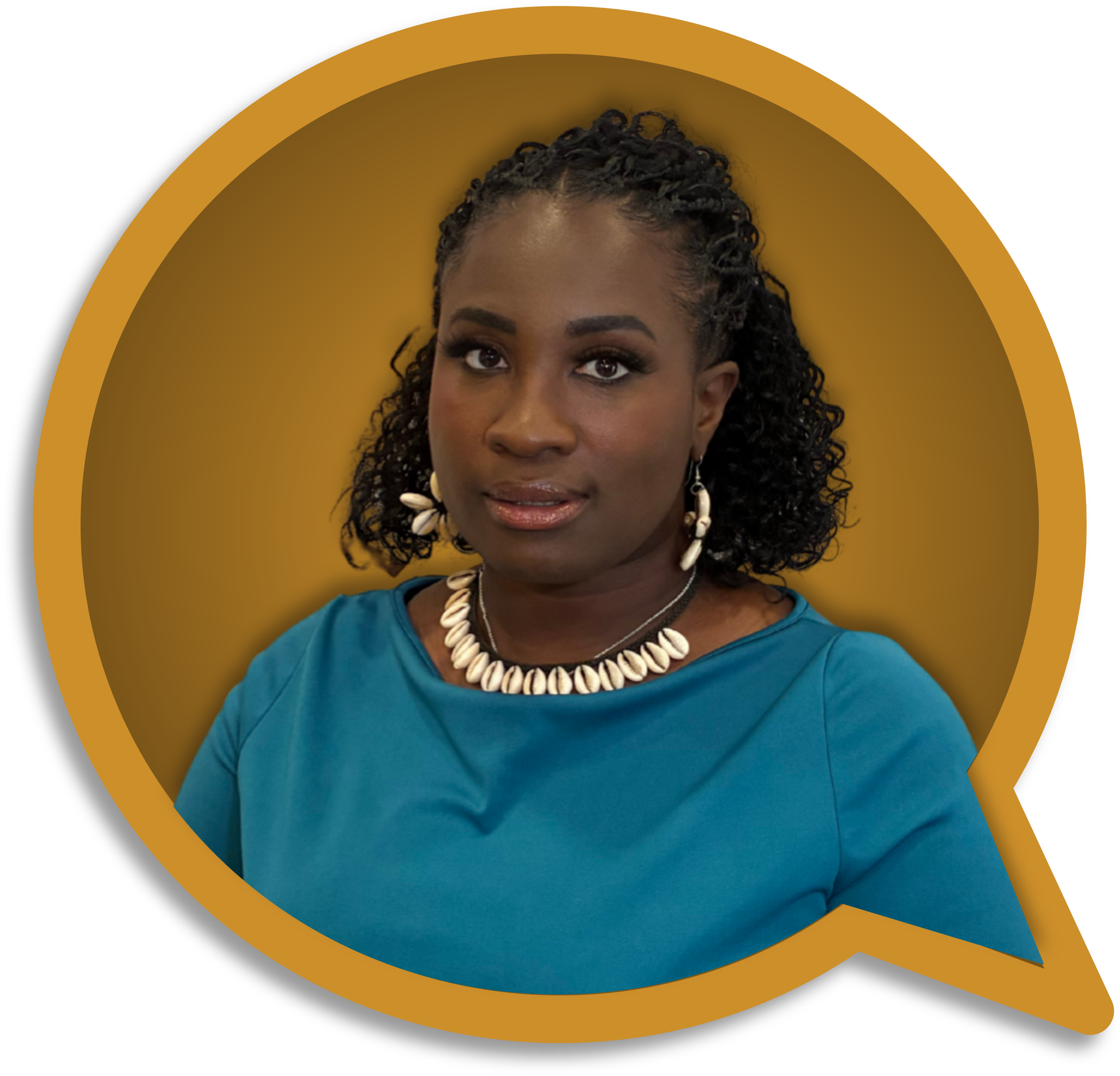
Africa Lucas| Health Prevention Coordinator | Milwaukee County Behavioral Health Services Community Access to Recovery Services 1230W. Cherry St | Milwaukee, WI 53205 |