


Forked Aster Nature Trails & Sensitive Natural Areas
Explore woodlands, prairie, and grassland areas across Milwaukee County. Nature trails are perfect for birding, wildlife watching, getting fresh air and finding some quiet space. Hiking only on nature trails. For biking, use the Oak Leaf Trail and the designated mountain bike trails. Protect the trails by remembering our ordinances:
- Leave only footprints. Take only photographs.
- Stay on designated trails to protect our sensitive native growth.
- Leash pets to protect them from poison ivy, ticks, and ingesting harmful plant and wildlife objects.
- No pets allowed in the sensitive nature preserve trails
-
Forked Aster Trails
-
Sensitive Nature Preserve Trails
-
Birding Trails
Trail segments in 30+ parks range from 0.2 miles to 8 miles and are generally dirt, or covered with wood chips or gravel. You can also follow the Milwaukee River Greenway - 878 acres of trails and greenspace along the Milwaukee River within the City of Milwaukee and nearby suburbs.

Bender Park
Wide-open vistas perched on top of steep bluffs overlooking Lake Michigan. Hiking trails wind through prairie grasslands, old orchards, and lush Beech woodlands.

Cambridge Woods
This unique riverfront woodland park offers excellent displays of spring ephemeral wildflowers. The trail is rugged. The best access point is signed from the Oak Leaf Trail. While this segment is short, the trail is part of a continuous 8-mile trail loop, the Milwaukee River Greenway.
Copernicus Park
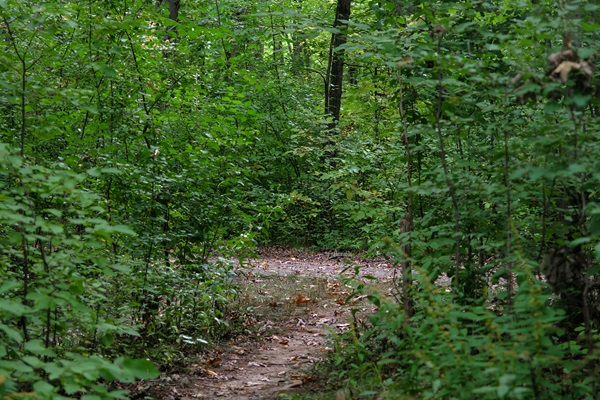
This small neighborhood park has both paved and unpaved trails that go through high quality woodlands (122 plant species) along one of the headwater streams of the Oak Creek watershed. This site provides a great opportunity to see migratory birds in spring and fall, and has some paved trails that meander through the woods.

Cudahy Park
The trail is short and flat as it winds through a small diverse woodland with many spring ephemeral wildflowers. This site provides a great opportunity to see migratory birds in spring and fall.
Doctor's Park
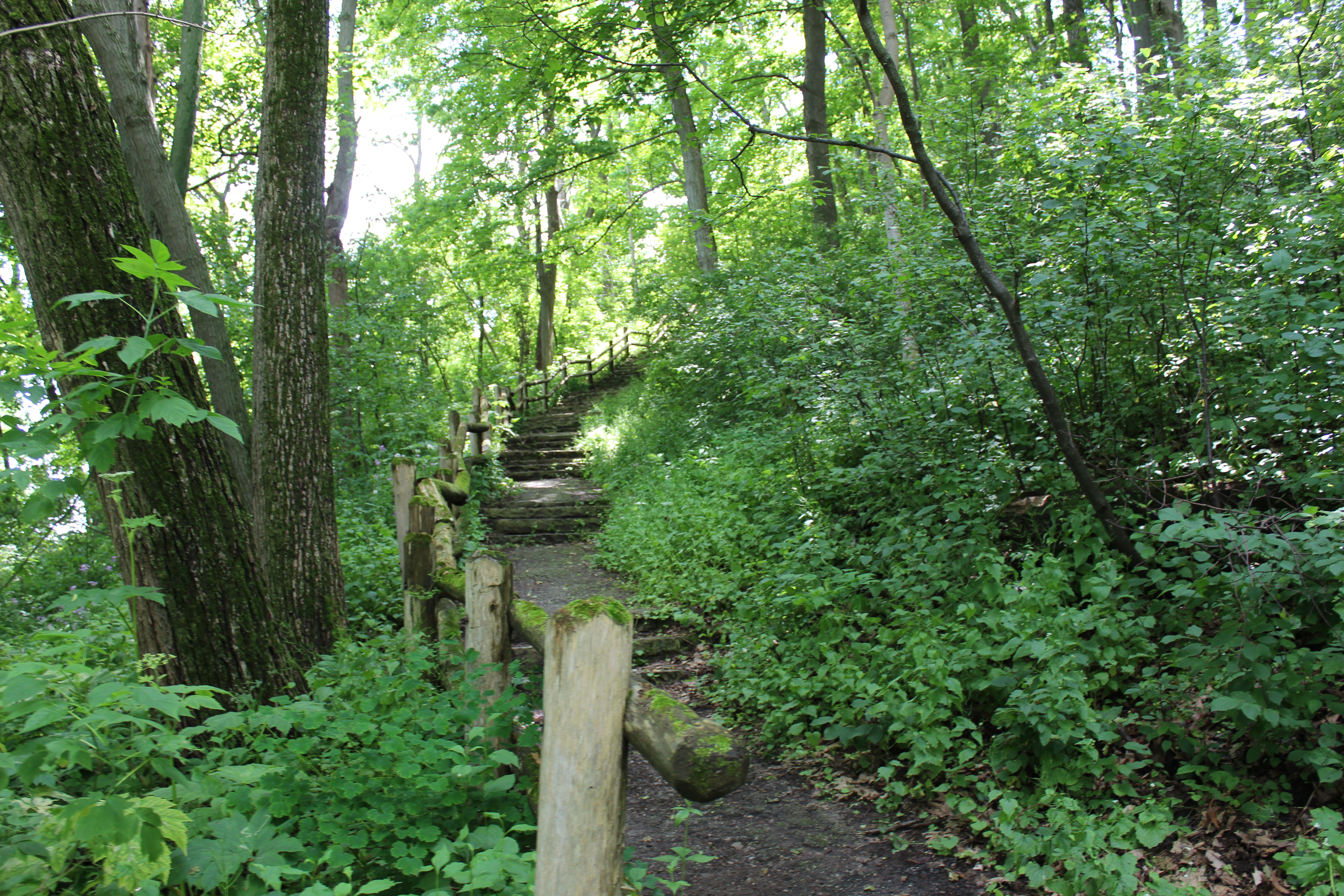
The steep trails go from the top of the bluff down to the shoreline of Lake Michigan. High lake water levels have greatly shrunken the beach and make completing the circle path difficult. Trails through deep ravines with a beech and maple overstory lead to a small beach.

Falk Park
This long and flat trail system highlights a beautiful and diverse forest with spring wildflowers. Ephemeral wetlands and meandering streams may cause the trail to become wet or even flooded at times.

Grant Park - Seven Bridges
Totaling just two miles, Seven Bridges trail treats hikers to a unique ecological area with ravines lined with Lannon stone paths, azure views of Lake Michigan, abundant wildflowers, and shady woodlands. The trail features 10 bridges and many stairways, constructed by the WPA almost 100 years ago, leading to a secluded beach area. Closed in winter due to icy conditions and numerous unshoveled staircases.
Greene Park
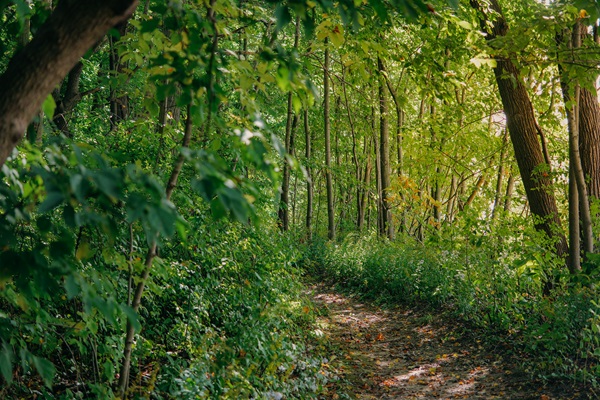
Nestled at the western edge of the park is a small trail loop in a good quality woodland. Large maples, oaks, and basswoods tower above. Visit in mid-spring to see the blooming flowers and migrating warblers.

Greenfield Park
Hiking trails navigate the large woodland, and paved trails circle the lagoon, providing excellent birding opportunities and nature access for all abilities.

Jackson Park
In the center of this regional park is a woodland with easy, unpaved hiking trails. Visitors of all abilities can also enjoy a stroll on the paved trail around the lagoon to view waterfowl and large wading birds.

Jacobus Park
Although short, the trails are steep and rugged as they climb through wooded ravines. Breathtaking displays of wildflowers erupt in the Spring.

Kinnickinnic River Parkway
You can find surprising beauty along the most urban river in the area with a trail that meanders along the north and south sides of the Kinnickinnic River between 43rd and 60th streets. A pedestrian bridge at 51st provides access to both sides of the river.

Kletzsch Park
Located on the western banks of the Milwaukee River, these gentle hiking trails wind through grasslands, upland woodlands, and a floodplain forest. The trails provide excellent views of diverse plant communities.

Kohl Park
Once part of a historic farmstead (look for the silo), the trail travels through a mature evergreen plantation and provides a great running or hiking loop. With a cluster of nature preserves in the area, the trail is great for birding.
Learn More About Kohl Park Wildlife Enhancements Project (AOC)

Lake Park
Choose from multiple ravine trails or try to hike them all – and don't miss the waterfall and lighthouse! The trails are short but challenging in terms of footing and grade. Most have stairs, but the lakefront is your reward. Great for hot days, since the woods provide shade, and the lake is at the foot of the trails.

Little Menomonee River Parkway
Hike through a prairie with surprisingly diverse migratory wildlife species and enjoy open vistas of the Little Menomonee River Parkway.
Learn More Little Menomonee River Parkway Habitat Restoration & Wildlife Enhancements Project (AOC)

McGovern Park
A remnant woodland along the southern edge of the park provides a break from the City and a great spring flower bloom.

Noyes Park
At the heart of this small woodland is a beech forest intermingled with white and red oak, sugar maple, and basswood. Hiking trails wind through the forest and around the small pond nestled within.

Root River Parkway - Mangan Woods
Mature northern red oaks and sugar maples provide a dense canopy over a number of rare plant species.
Rawson Park
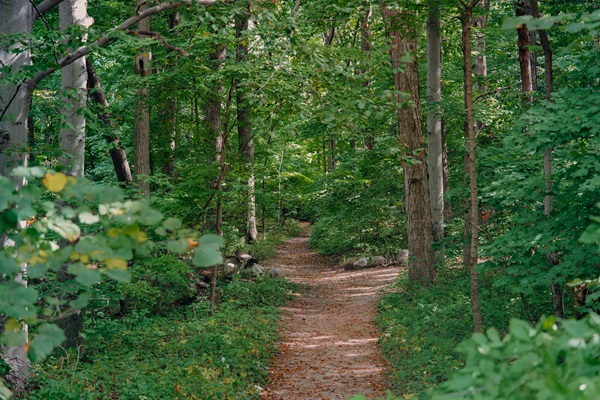
One of the best remaining examples of Beech-Maple Forest in the Park System. Due to its proximity to Lake Michigan and the Oak Creek Parkway, this unique park acts as an important stopover for spring and fall migratory birds.
Riverside Park
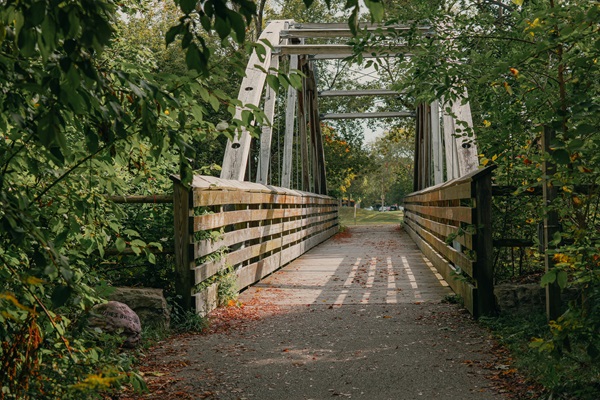
Once a degraded woodland along the Milwaukee River, this park has been restored to a natural state by the Urban Ecology Center and has highly accessible trails that connect to the Rotary Arboretum and larger Milwaukee River Greenway.
Scout Lake Park
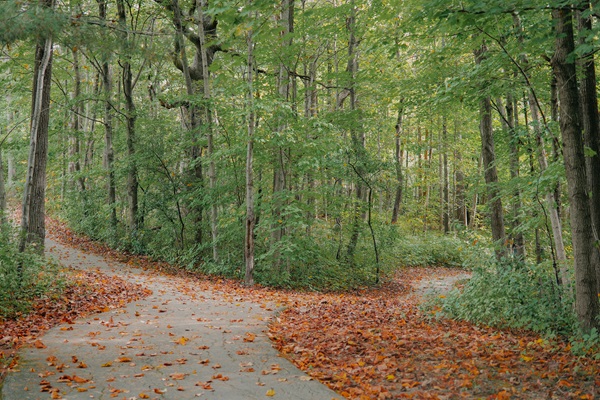
Upland woodlands overlook one of the park system's deepest lakes. A paved trail and a quiet stream traverse the site. The park provides numerous opportunities to see songbirds during the spring and fall migration.

Cudahy Nature Preserve
The trails provide a glimpse of what Milwaukee County would have looked like 200 years ago, with a diverse, mature woodland. A small stream separates the lowland hardwood forest from an old-growth beech forest.
Grobschmidt Park
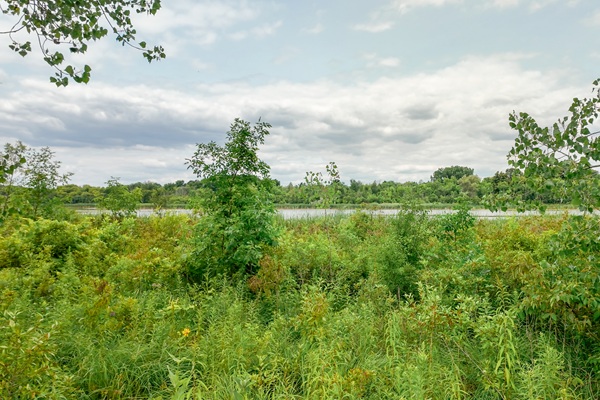
Comprised of a shallow lake, shrubland, upland and lowland forest, a marsh, and sedge meadow, this diverse habitat allows many uncommon wildlife species to thrive. A gravel trail encircles Mud Lake, and a soft trail lets visitors explore the western end of the park.

Warnimont Park - Warnimont Fens
The combination of southern mesic woodlands, shrublands, grasslands, fens, and deep ravines along with steep calcareous bluffs support a unique assemblage of plant species and provides wildlife habitat. Lake views make this one of Milwaukee County Park's best hidden gem!

Wehr Nature Center Trails
Welcome to Wehr Nature Center, where nature is accessible to all, year-round. Our commitment is to create a welcoming environment for everyone, regardless of age, ability, or background. Explore our accessible park features, including a 1-mile All Abilities loop trail with a hard surface boardwalk, an accessible pier overlooking Mallard Lake, and an observation blind under expansion.

Birding Trails
Milwaukee County is home to over 100 bird species, from the common House Sparrow to the Peregrine Falcon; however, more than 150 other bird species pass through the county during their spring and autumn migrations. That means you might see over 250 species of birds without ever leaving Milwaukee County.
If you've participated in backyard birdwatching, you may have seen only 10–20 bird species at your feeder. To help you discover the other 200-plus bird species, we've developed the Oak Leaf Birding Trail, a guide to prime birding locations in the Milwaukee County Parks.
The birding trail is not a continuous hiking trail winding through the woods but a road map that you can follow from one park or parkway to another. Park your vehicle along a drive, get out, and hike through the park with a checklist in hand, an eagle eye, and an ear tuned to the songs in nature.
Questions?
Contact the trails coordinator with your questions. Call Jacob Sanchez at (414) 257-5087.